Most sprinkler damage in cold climates does not happen on the coldest night. It happens quietly, weeks earlier, when a little water is left behind in the lines. If you are wondering whether to handle this yourself or hire someone, the answer depends on your system, your climate, and your comfort with the tools involved.
Why You Need to Winterize a Sprinkler System
Water expands when it freezes. Inside a rigid pipe or a plastic valve body, that expansion has nowhere to go, so something gives. The damage is often invisible until spring, when you turn the system on and find a geyser, a soggy patch, or a head that no longer pops up.
Anyone in a region with freezing winters should winterize a sprinkler system every year. If you live somewhere that rarely drops below freezing, you may only need to protect exposed parts like the backflow preventer. When in doubt, ask a local irrigation professional what your frost depth and typical first-freeze date look like.
When to Winterize
Timing matters more than most people expect. A good rule is to schedule the work in the weeks before your area's average first hard freeze, which is usually when nighttime lows sit at or below 28°F. Local weather services and extension offices publish those dates.
Do not wait for a forecast alert. Professionals get booked quickly in the fall, and a surprise freeze can arrive before the appointment does.
How to Winterize a Sprinkler System: Step by Step
These steps cover the typical in-ground setup. Your system may differ, so check any manufacturer guidance first.
1. Turn off the water supply. Find the main shutoff for the irrigation line, often in a basement, crawl space, or a valve box outside. Close it fully.
2. Switch the controller to "rain" or "off" mode. Do not unplug it entirely if you want to keep your settings. This stops the system from trying to run on its own.
3. Relieve the pressure. Open the manual drain valves, if your system has them, or run a zone briefly to release pressure in the line.
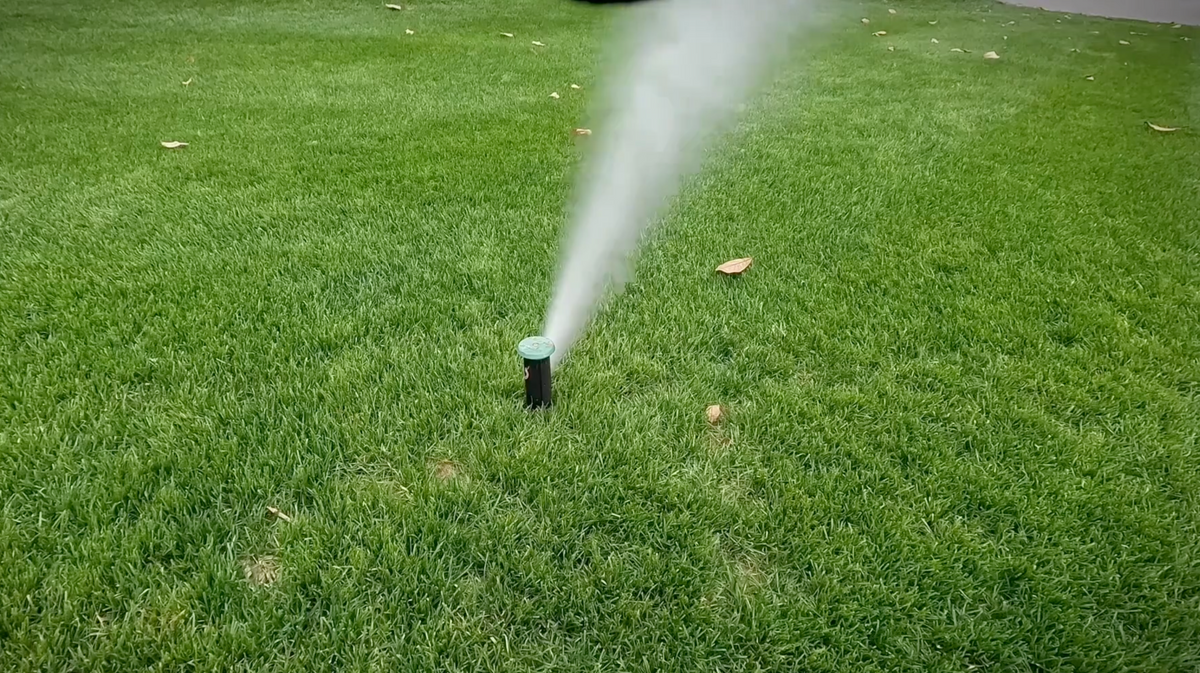
4. Drain or blow out the lines. Gravity drains work on some systems. Others need compressed air to push water out of every zone. Work one zone at a time, and stop as soon as the heads sputter mist instead of water.
5. Protect exposed components. Insulate the backflow preventer and any above-ground pipes with foam covers or wrap made for that purpose.
6. Leave valves in a safe position. Many pros leave manual drain valves slightly open and the isolation valve handle at a 45-degree angle so trapped water has room to expand.
Quick Decision Guide
DIY vs. Certified Installer
The DIY path. Doing it yourself saves the service fee and gives you a clear picture of how your system works. It requires an air compressor (with a regulator and enough volume to clear lines), basic knowledge of your zones, and patience. The tradeoff is risk: a single mistake with pressure can crack a fitting you were trying to protect.
The certified installer path. A professional brings calibrated equipment, experience with different layouts, and a quick eye for problems like cracked heads or failing valves. The tradeoff is cost and scheduling, since fall is a busy season. Many homeowners find that an annual blowout is simple to book and gives peace of mind.
Neither choice is wrong. The right one depends on how comfortable you are with the equipment and how complex your yard is.
What Happens in Spring
Reopen the system slowly. Close the drain valves, turn the water back on gradually, and walk each zone while it runs. Look for geysers, uneven coverage, or heads that stay down. Catching a problem early keeps a small repair from becoming a wet lawn and a high water bill.
Does the System Design Make Winterizing Easier?
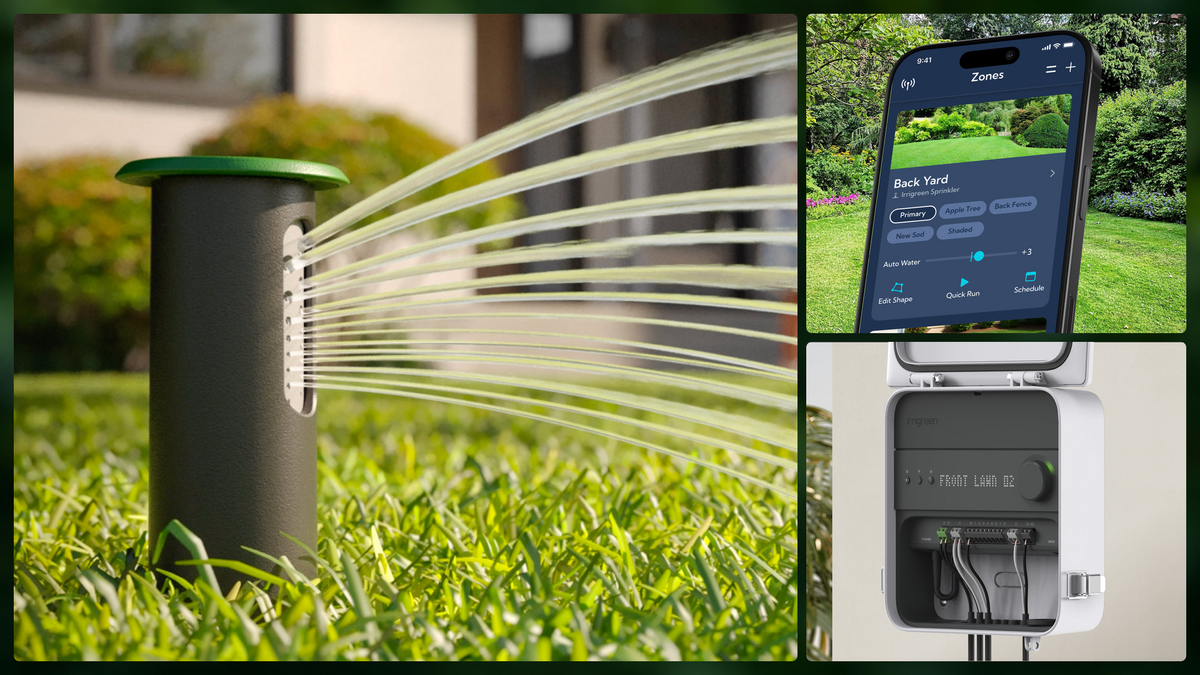
It can. Traditional systems often rely on dozens of heads and long runs of pipe, which means more places for water to settle. Irrigreen's design uses 80% less pipe and 75% fewer heads, and one head replaces 6–10 traditional heads. Fewer components means fewer points to drain and inspect, though you should still winterize every system in a freezing climate. For general guidance on efficient outdoor water use, the EPA's WaterSense program is a useful resource: link
FAQs
1. Do I really need to winterize a sprinkler system every year?
In regions with hard freezes, yes. Even a small amount of trapped water can crack a pipe or valve. The Smart In-Ground Sprinkler System 3 uses 80% less pipe and 75% fewer heads than a traditional layout, so there is simply less hardware to drain and check each fall, which keeps the annual routine more manageable.
2. Can I winterize a sprinkler system without a compressor?
Sometimes. Systems with manual drain valves and good slope can drain by gravity, though results vary and some water often remains. A compressor is more thorough. If your layout is unclear, an installer can tell you which method fits. Irrigreen's [YardTrace™ Tool] maps your yard into a clean, intentional layout, which gives you and your installer a clear picture of where lines run.
3. What is the best time of year for a sprinkler blowout?
Typically in the weeks before your first hard freeze, often mid-October to early November in many northern areas. Book early, since schedules fill quickly. With a smart system, one tap on the controller or app can pause watering ahead of the blowout, so the system stays quiet and ready for the appointment.
4. What happens if I skip winterizing?
You risk cracked pipes, split valves, and damaged heads, which are usually found only when the system starts up in spring. Repairs can be messy and disruptive. Irrigreen is built to reduce exposure by using fewer heads, with one head replacing 6–10 traditional ones, so there are fewer parts that can fail.
5. Is it safe to use a compressor on my own?
It can be, with a regulator, low pressure, eye protection, and a clear understanding of your system's limits. Without those, the risk of damage rises. If you are unsure, a certified installer can handle it. Irrigreen offers a way to find a certified installer who understands the system and can walk you through seasonal care.
6. Will a smart system save water in the off-season too?
Not directly, since the system is off in winter. The savings come during the growing season: Irrigreen can use up to 50% less water than a comparable traditional system, and most homeowners see payback in about 3–5 years through water savings. That makes seasonal care a small part of a more efficient setup overall.
A practical next step
If you are not sure whether to drain the system yourself or hire someone, a short conversation can settle it. An Irrigreen expert can talk through your yard, your climate, and your current setup, and help you decide what is best before the first freeze arrives.
Book a consult or talk to an expert to get started: link